


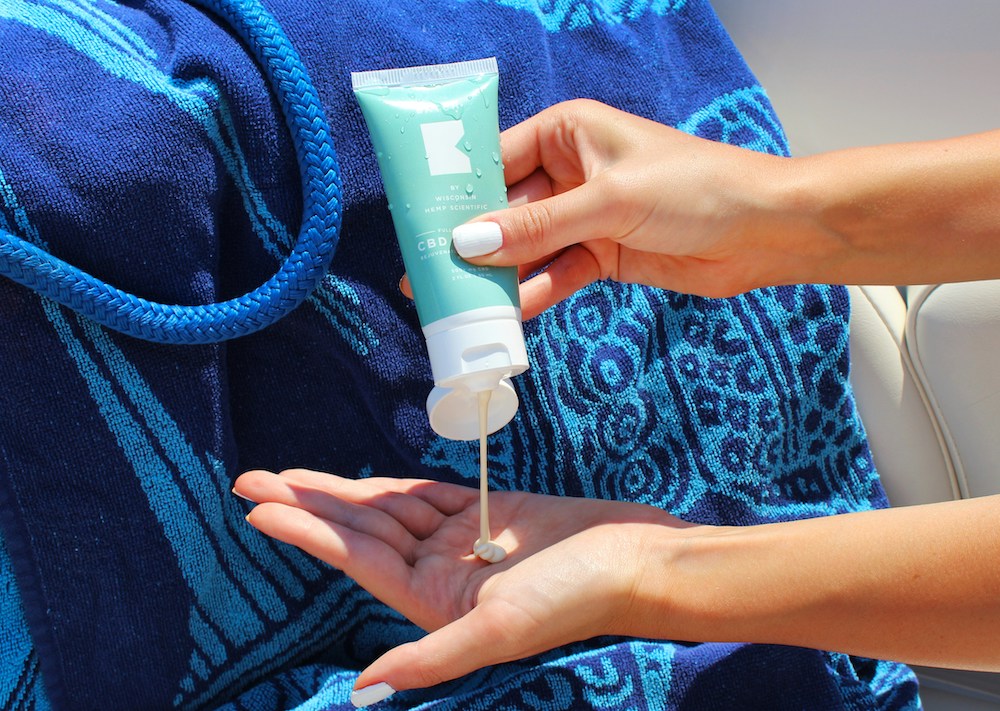
Homemade skincare has experienced a huge revival in recent years, coinciding with the growth of the green beauty movement. More and more consumers are demanding natural, healthy products with ingredients they can pronounce and understand. Since this is a massive, and still-booming business, there’s no reason why you can’t throw your hat into the ring and build a successful homemade skincare business in 2025. Here are some key things to consider as you get started.
Use high-quality ingredients
The first step in developing a homemade skincare product is to understand your ingredients, and to learn as much as you can about their compounds and beneficial properties. Oils, body butters, mineral clays, and botanical extracts will all function differently within a product, and create varying results. In addition, learn how to read a product’s Safety Data Sheet (SDS), so that you know you are buying high-quality, safe ingredients.
When purchasing your ingredients, calculate how much you think you will need, and try not to over-purchase. It’s a good idea to start with a few affordable, simple ingredients so that you can learn how they combine and perform. Even though your first few batches will probably not be usable, don’t think of them as “wasted.” They are a vital investment into your final product!
Decide on the right formula
Again, a big part of starting a cosmetics business is experimenting, researching, and learning. As an apprentice formulator, it’s best to start with simple formulations that will enable you to grow your skills and explore your chosen ingredients. Be sure to write down everything that you do, so that you can recreate successes in the future (and know what to avoid!)
Once you gain confidence in your formulating skills, and know which ingredients you want to work with, you can start considering your Unique Selling Proposition. In other words, what unique benefits will your product bring to your customers? For example, your product might:
- Add more hydration or moisture to the skin
- Provide vitamins, retinol, hyaluronic acid, or botanical oils
- Accommodate oily, dry, or sensitive skin
- Cater to a certain age range, gender, or ethnicity
The answers to these questions will help you stand out in a crowded market, and build a niche audience of loyal fans.
Consider your preservatives
Almost all skincare products will eventually become a host for yeast, mold, and bacteria, especially if they contain water. So, it’s essential to add a preservative ingredient in order to keep your products effective, good-smelling, and safe for months on end.
Though the word “preservative” is often used interchangeably with “synthetic chemicals,” there are many natural preservatives to choose from, like citric acid, rosemary extract, and tea tree oil. When selecting a preservative for your skincare product, do your research to ensure that it is from a reliable, trusted supplier.
Then, don’t just take their word for it—test it! You can either test your product’s longevity yourself, or, ideally, send it off to a third-party testing facility. A professional product lab will help identify the product’s potential for microbiological growth, and ensure that the preservative system is working as it should.
Choose the right product container
It’s important to store your homemade skin products in high-quality, hygienic containers that limit exposure to the elements. Pump and spray valves are ideal because they are air-tight, and the majority of the product is never exposed to potential contamination.
If it isn’t practical to use a pump or spray for the product, perhaps due to its viscosity, then you might consider including small spatula or similar tool with each product that is sold. With this, add a small informational card advising the consumer on safe usage guidelines. Let them know that they will get their money’s worth if they touch the product as little as possible!
Choose the best skincare packaging
Although deciding on beauty product packaging can be very fun, it can also be very complex, and even frustrating! That’s because beauty packaging needs to:
- Shield the product from light, air, water, and heat
- Be easy to open and dispense, even with slippery hands
- Withstand transportation and handling without damage
- Hold a lot of information in a very small space
- Be eye-catching, attractive, and unique
- Ideally, align with sustainability values
For all these reasons, your product packaging is just as important as the formulas you have already labored so hard to produce! In fact, some say that, since most customers “buy with their eyes,” the product packaging is more important than the product itself, at least when it comes to attracting first-time customers. All this is to say…don’t write this off as a final, minor step. Packaging is a critical part of the process.
If you aren’t sure where to start, we recommend starting out in the beauty aisles of your local pharmacy, grocery store, and high-end makeup stores. These massive industry players have already sunk millions into learning what sells the most products. By observing them, you can benefit from that research, totally for free! In addition, study up on the basics of branding, like developing a brand archetype and writing a brand story. Learning a little about color theory will help guide your packaging decisions, too.
Final tip: take baby steps
When you’re first starting to make and sell homemade skincare products, one of the best tips we can give you is to create small batches. This will help you keep your cream, balm, or body butter as fresh as it can be while you are still learning about your products’ longevity. It will also help you play around with different ingredients to see what works best, without wasting a lot of product in the process.
Another good tip that goes for all startup entrepreneurs is: don’t quit your day job. As you can hopefully gather from this article, starting a skincare business is an involved process that takes a lot of trial-and-error, determination, and time. While you are experimenting and learning your craft, you won’t be able to sell products at the same time—so try to keep a part-time or full-time job, if you are able to. That will help ease any worry and stress about paying the bills, so you can devote your mental energy into making an amazing product that your customers will love.
Need supplies for your new skincare business?
SSI Packaging is here to support you and your small business every step of the way! We are the go-to supplier of everything small business owners need to succeed in a crowded marketplace. We offer everything from boxes, tape, and bubble wrap, to label makers and industrial printers. To learn more about our Richmond packaging company, click here.